
Expert Insights on the Latest Trends in Construction Real Estate
Embracing Technological Advancements
The construction real estate industry is witnessing a significant transformation, driven by cutting-edge technologies. One of the most notable trends is the integration of Building Information Modeling (BIM). This sophisticated process facilitates improved collaboration and efficiency by providing a digital representation of the building process. BIM allows stakeholders to visualize the project in a 3D environment, making it easier to address potential issues before they arise.
Another technological innovation making waves is the use of drones. Drones offer a cost-effective and efficient way to survey construction sites, providing real-time data and aerial views that can be used for planning and monitoring progress. This not only enhances safety but also improves accuracy in project execution.

Sustainability and Eco-Friendly Practices
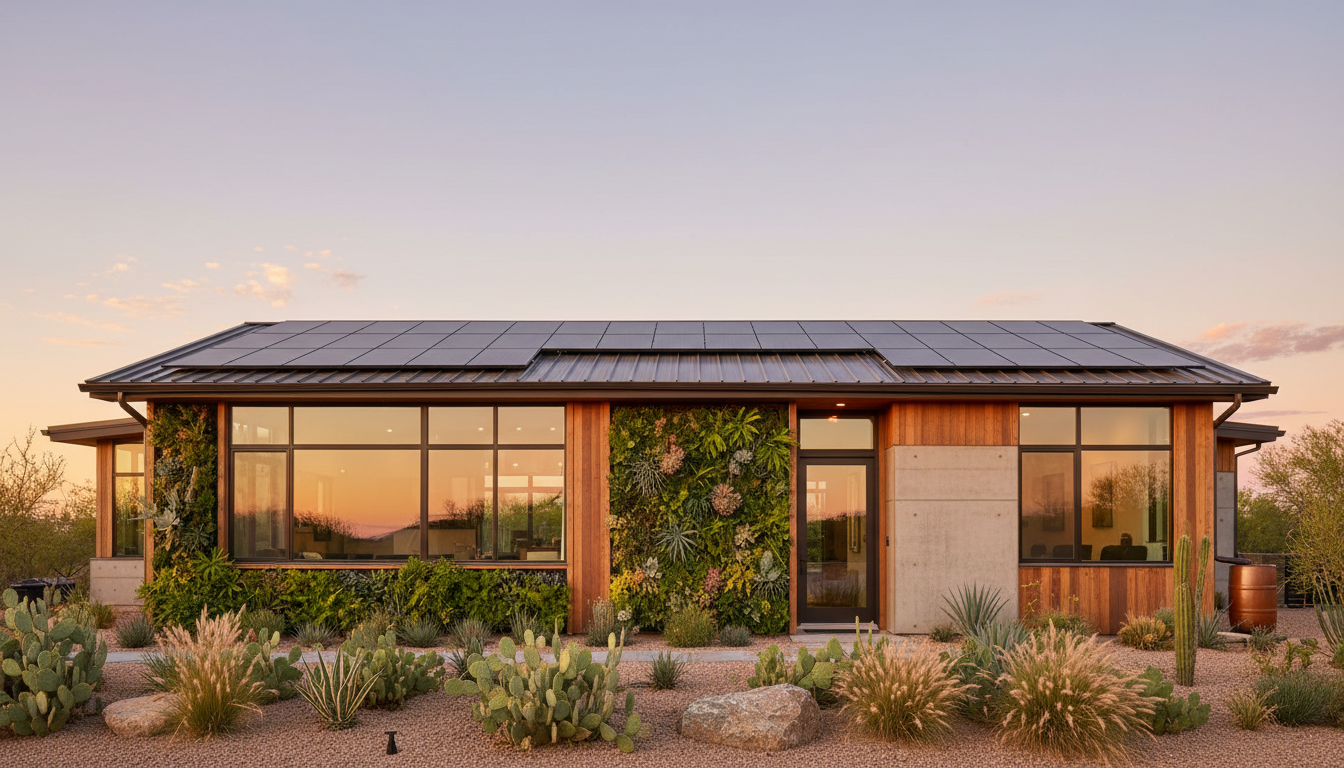
Sustainability has become a cornerstone of modern construction real estate. Developers are increasingly incorporating eco-friendly materials and practices into their projects to reduce environmental impact and improve energy efficiency. This shift is not only beneficial for the environment but also meets the growing demand from consumers for sustainable living options.
Green building certifications, such as LEED, are becoming more prevalent, serving as a benchmark for sustainable construction. These certifications encourage the use of renewable resources and energy-efficient designs, further solidifying the industry's commitment to sustainability.
Urbanization and Smart Cities
The trend of urbanization continues to shape the construction real estate landscape. As cities grow, there is a heightened demand for high-density housing and mixed-use developments. This demand is driving the rise of smart cities, which integrate technology to enhance the quality of urban life.
Smart cities utilize IoT (Internet of Things) to create interconnected systems that improve infrastructure, reduce energy consumption, and provide residents with a more convenient lifestyle. This trend is expected to grow as urban populations increase and technology continues to evolve.

Adapting to Changing Demographics
Demographic shifts are influencing construction real estate trends. The aging population, for instance, is leading to an increased demand for accessible housing and senior living communities. Developers are focusing on creating spaces that accommodate the needs of older adults while promoting independence and well-being.
Moreover, the preferences of millennials and Gen Z are shaping the market. These generations prioritize flexibility and connectivity, prompting the development of versatile living spaces that integrate work-from-home capabilities and communal areas.
Conclusion: Preparing for the Future
The construction real estate industry is evolving rapidly, driven by technology, sustainability, urbanization, and demographic changes. To stay competitive, industry players must be proactive in adopting these trends and tailoring their strategies to meet the demands of the modern world.
By embracing innovation and sustainability, developers can create projects that not only fulfill present needs but also anticipate future challenges and opportunities. This forward-thinking approach will be crucial in navigating the dynamic landscape of construction real estate.