DIY Tips for Small Construction Projects in Your Home
Planning Your Project
Before diving into any DIY construction project, it's essential to have a clear plan. Start by defining the scope of your project. Are you building a small bookshelf, or perhaps adding a new fixture in the bathroom? Knowing the scale will help you prepare better.
Next, gather all the necessary tools and materials. Create a checklist to ensure you have everything on hand, which will prevent unnecessary trips to the hardware store. This preparation phase will set the foundation for a successful project.
Setting a Budget
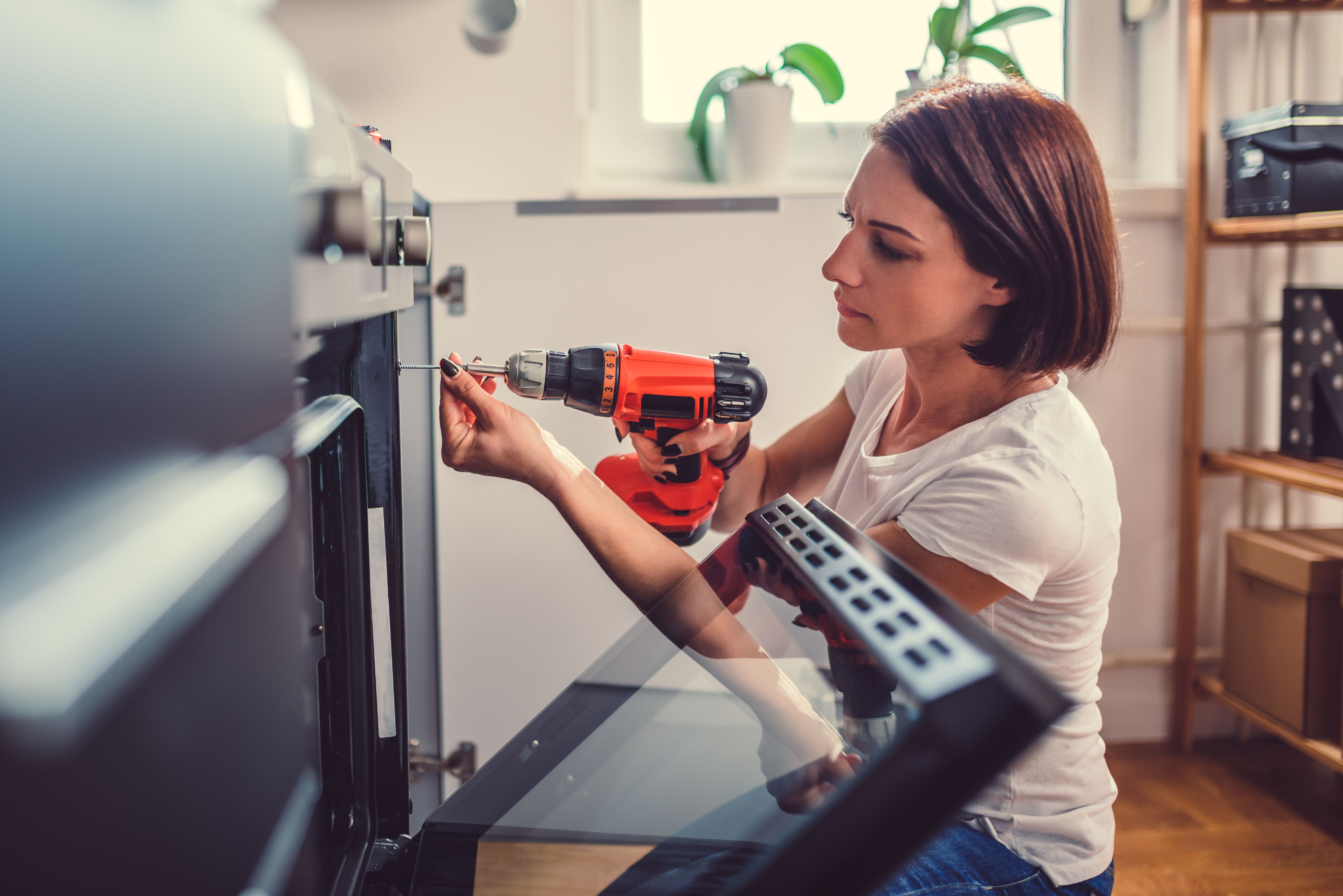
One of the most crucial aspects of a DIY project is setting a realistic budget. Consider all potential costs, including materials, tools, and any permits you might need. It's wise to add a small buffer to your budget for unexpected expenses.
Research the average costs of the materials you plan to use. This will help you make cost-effective choices and avoid overspending. Being financially prepared will make the project smoother and more enjoyable.
Safety First
Safety should be a top priority in any construction project. Always wear protective gear such as gloves, goggles, and a hard hat when needed. Ensure your workspace is clean and organized to prevent accidents.
Familiarize yourself with the tools you are using. Read the manuals and, if possible, watch tutorials to understand their proper operation. This knowledge will minimize the risk of injury and improve your efficiency.

Executing the Project
With everything in place, it's time to start your project. Begin with the basic structure and gradually move to the details. If you're working on something complex, break it down into smaller tasks and tackle them one at a time.
Regularly check your progress against the plan. This will help you stay on track and make adjustments if needed. Remember, patience is key, so take your time to ensure quality workmanship.
Handling Challenges
It's common to encounter challenges during a DIY project. Whether it's a minor setback or a major hurdle, stay calm and assess the situation. Look for online resources or forums where fellow DIY enthusiasts share solutions.
Sometimes, reaching out to a professional for advice can save you from making costly mistakes. Don't hesitate to seek help when you feel stuck.
Finishing Touches
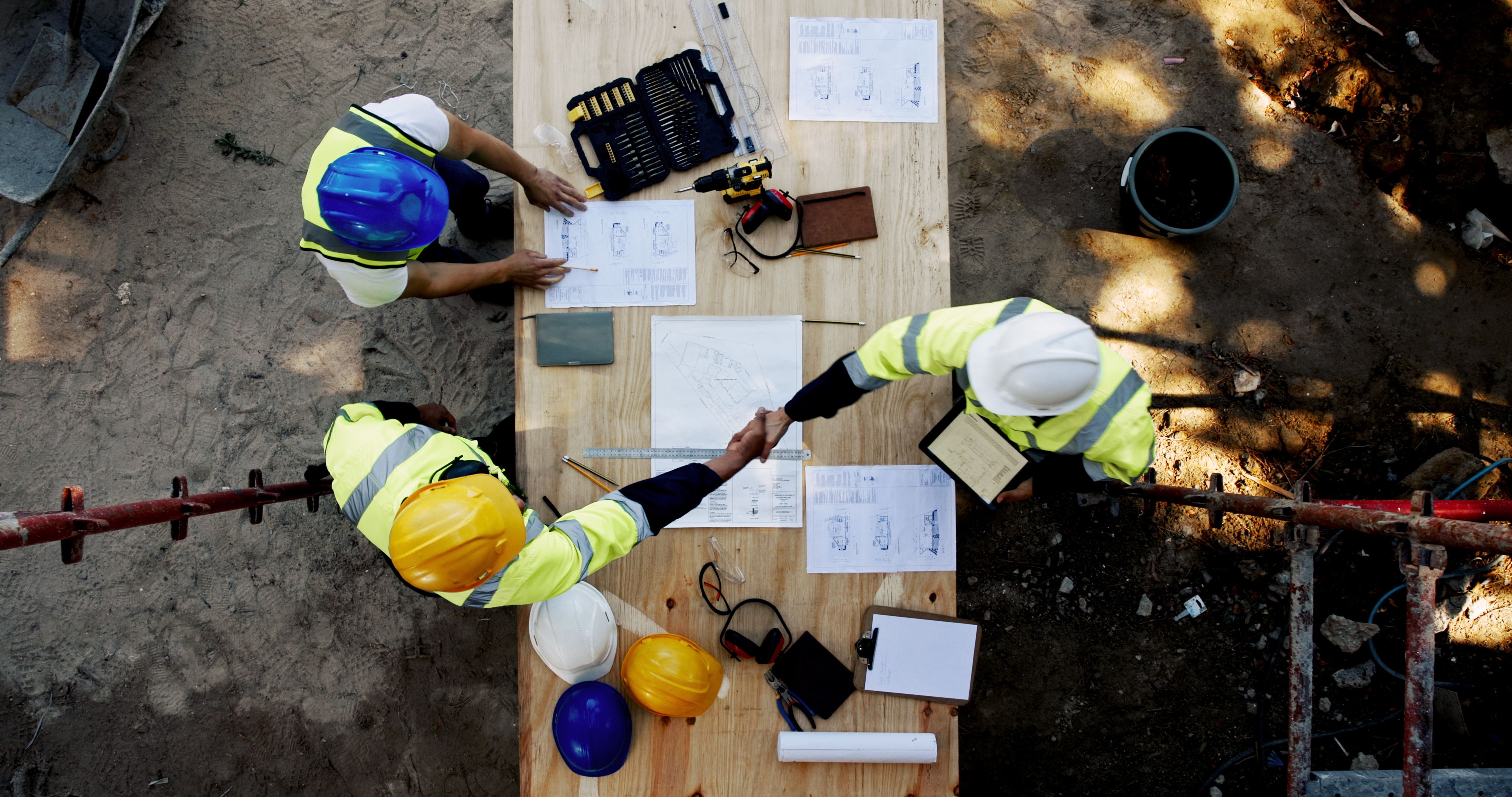
Once the main construction is complete, focus on the finishing touches. This could include painting, sanding, or adding decorative elements. These details can significantly enhance the overall appearance of your project.
Clean up your workspace and take a moment to admire your work. Not only does this add to the satisfaction, but it also ensures that your home remains tidy and organized.
Reflecting on Your Experience
After completing your project, take some time to reflect on the process. What went well, and what could have been improved? This reflection will help you gain valuable insights for future projects.
Celebrate your success and the skills you've acquired. Each project adds to your experience and confidence, making you better prepared for the next challenge.