
Common Myths About Construction Real Estate Debunked
Understanding Construction Real Estate Myths
In the world of construction real estate, myths and misconceptions abound. These misunderstandings can influence decisions, investments, and perceptions of the industry. By shedding light on these myths, we aim to provide a clearer picture of what construction real estate truly involves.
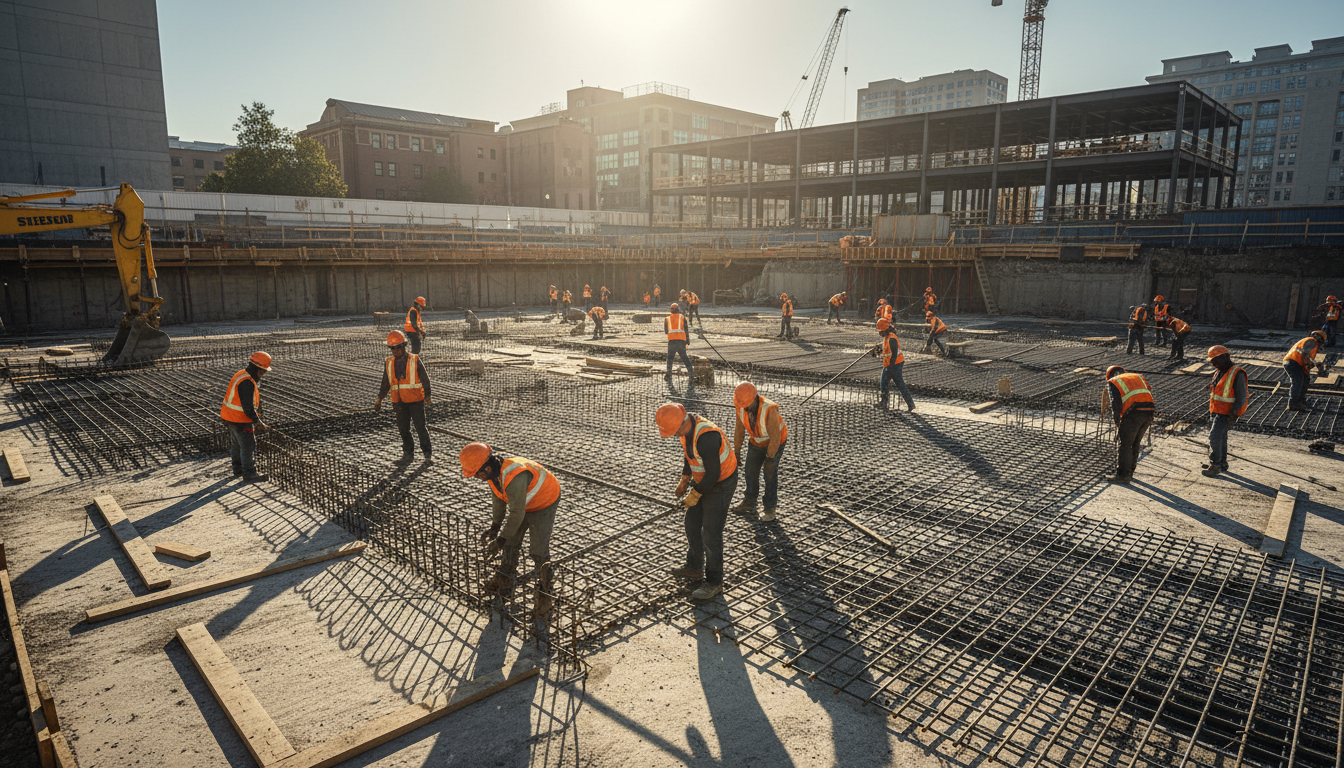
Myth 1: Construction Is Always Over Budget
One of the most common myths is that construction projects invariably exceed their budgets. While it's true that some projects encounter unforeseen costs, many are completed within budget due to meticulous planning and management. Factors like well-defined goals, accurate estimates, and skilled project managers play crucial roles in budget adherence.
Moreover, advanced technologies such as Building Information Modeling (BIM) help in predicting potential issues before they arise, ultimately reducing costs and keeping projects on track.
Myth 2: New Construction Is Always Better Than Renovation
Many people believe that new construction is preferable to renovation. However, this is a misconception. Renovating existing structures can be more cost-effective and sustainable. Renovations often preserve historical value and reduce waste compared to building anew.

Additionally, renovations can be tailored to specific needs without the extensive time and cost associated with new builds. The decision between new construction and renovation should be based on a detailed assessment of needs, budget, and long-term goals.
Myth 3: Construction Delays Are Unavoidable
Delays are often perceived as an inevitable part of construction projects. While factors like weather can cause setbacks, many delays are preventable. Effective communication, detailed scheduling, and proactive problem-solving can significantly reduce the chances of delays.
- Regular progress meetings
- Clear communication channels
- Contingency planning
These strategies play a vital role in keeping projects on schedule and ensuring timely delivery.
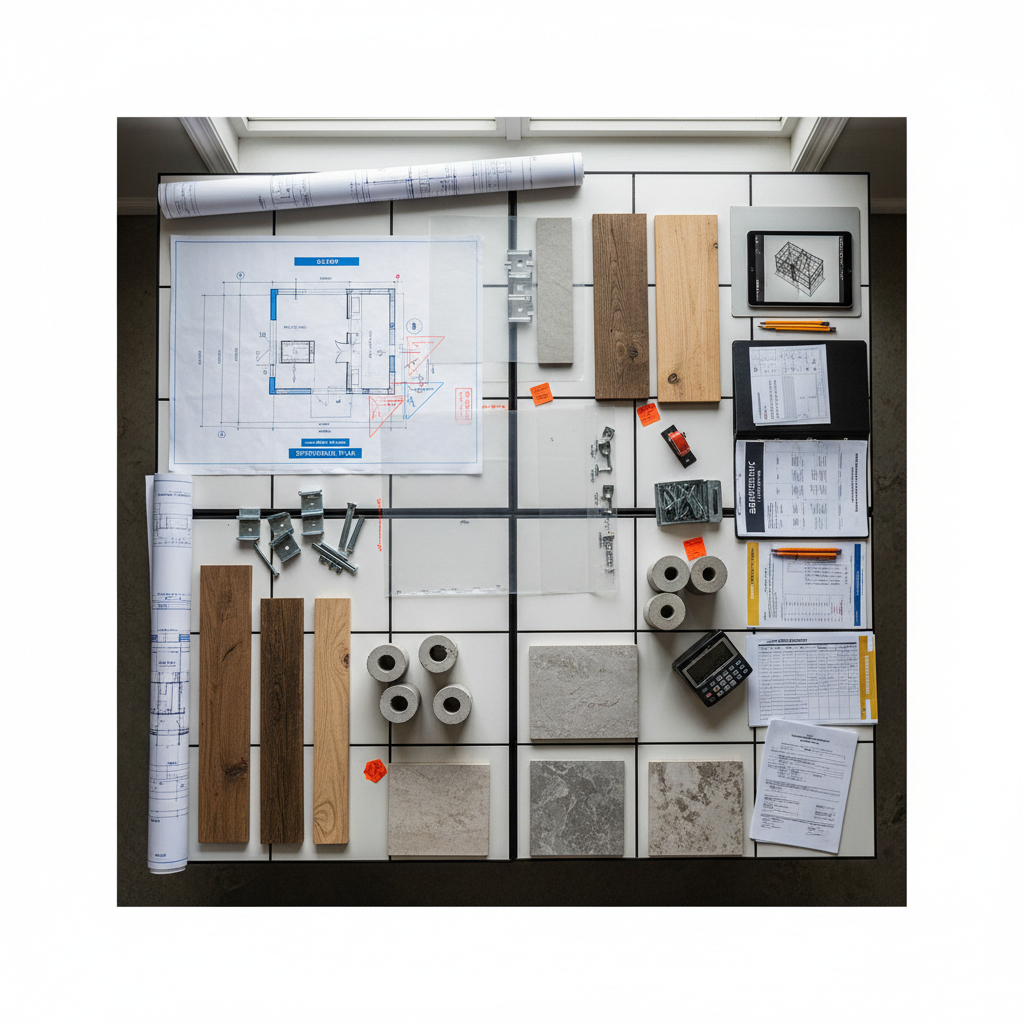
Myth 4: Sustainable Construction Is Too Expensive
Another widespread belief is that sustainable construction is prohibitively expensive. While initial costs may be higher, sustainable practices often result in long-term savings. Energy-efficient buildings reduce utility costs, and sustainable materials can increase a property's value.
Investing in sustainability can also lead to financial incentives such as tax credits, making green construction more accessible and appealing.
Conclusion
Debunking these myths is essential for anyone involved in or considering entering the construction real estate sector. By understanding the realities behind these misconceptions, stakeholders can make informed decisions that are beneficial both financially and environmentally. As the industry evolves, staying informed will be key to leveraging opportunities and overcoming challenges.